Five years building a robotics SDK without venture funding
What independent funding forces you to get right from the beginning: scope discipline, integration ergonomics, and why customer prepayments are not a compromise.
Engineering Blog
Sensor fusion implementation details, localization methods, and lessons from building production robotics infrastructure.
What independent funding forces you to get right from the beginning: scope discipline, integration ergonomics, and why customer prepayments are not a compromise.
Dynamic environmental contamination is the hardest class of LiDAR noise because it moves, clusters in beam paths, and produces false positives that look exactly like real obstacles.
The failure modes aren't in the fusion algorithm — they're in the transport layer. Topic timing, QoS policy mismatches, and executor thread contention are where most integrations break down.
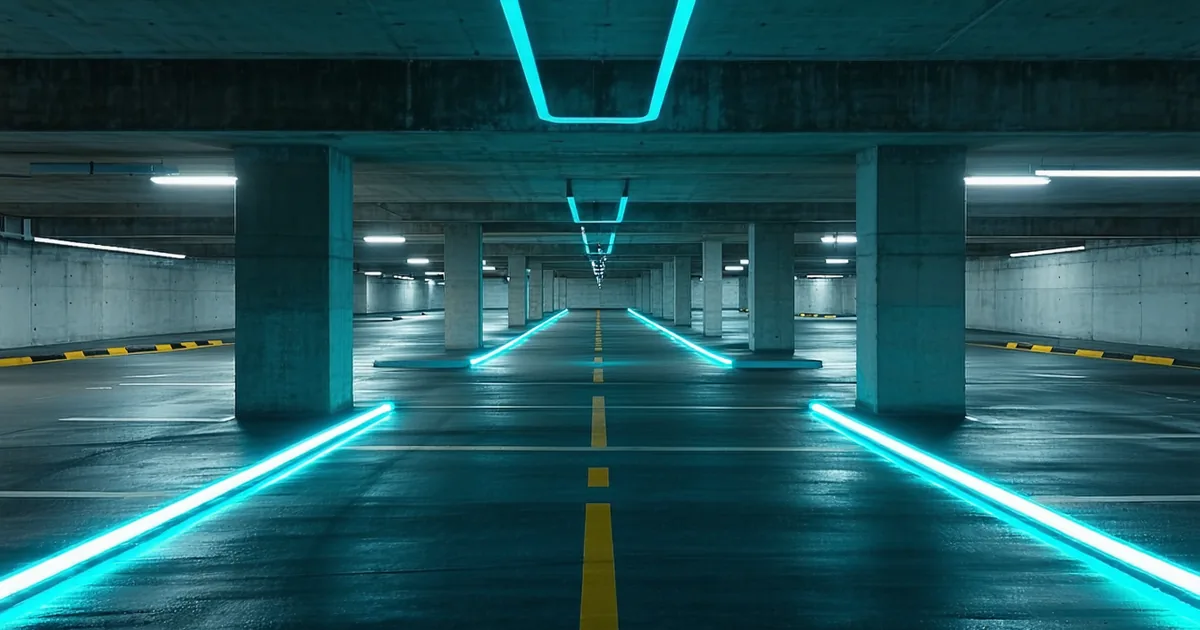
Dense port container stacks, multi-level parking garages, underground logistics tunnels — these environments kill GNSS signal. Here's how feature-based keyframe localization fills that gap.
The resolution you need is a function of your robot's footprint, speed, and typical obstacle geometry — not a fixed engineering truth. We measured the actual cost-benefit curves.
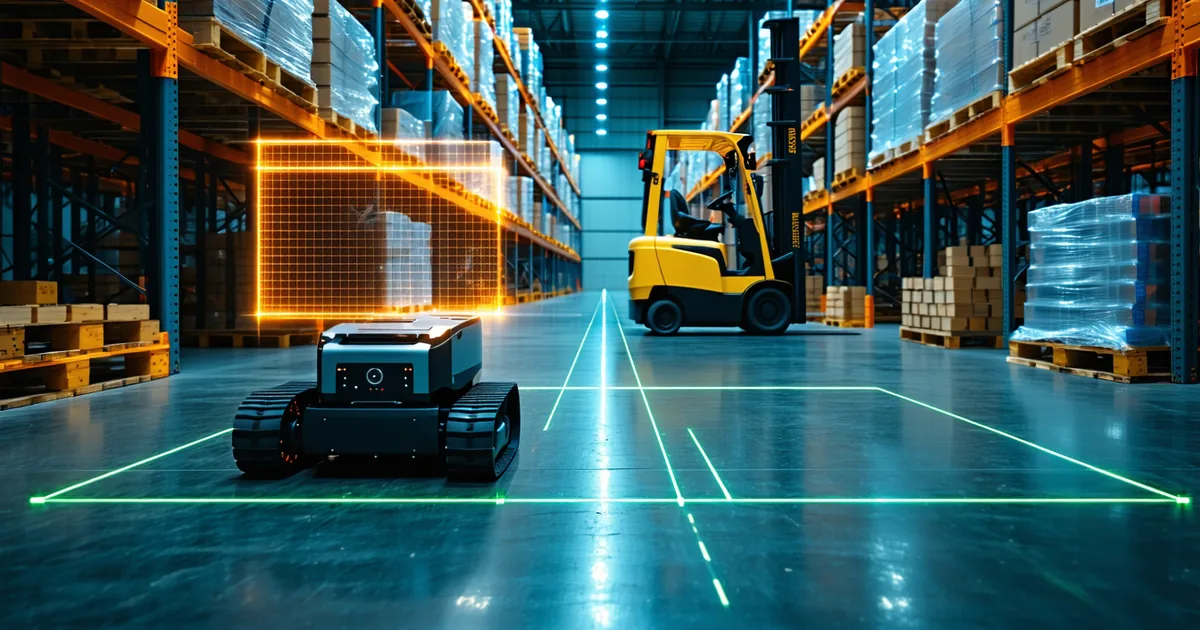
Forklift CVTR and pedestrian social force models produce different error profiles in narrow corridors. Understanding which model fails at which range changes how you structure your cost function.
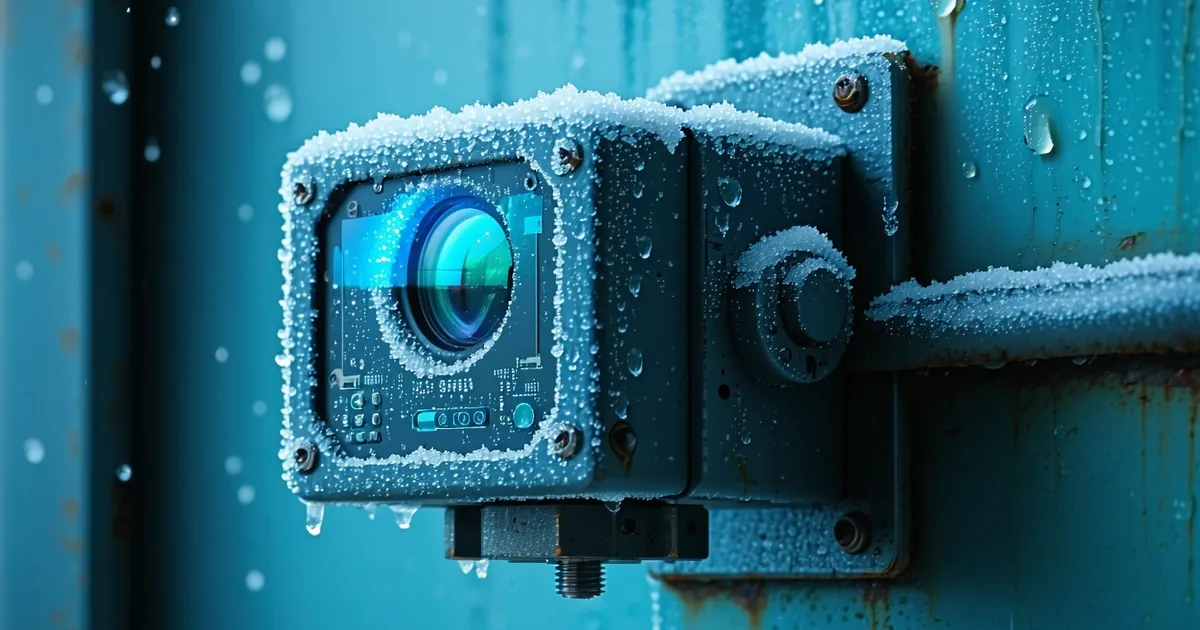
Cold storage deployments expose an underappreciated calibration problem: thermal contraction shifts extrinsic parameters by 0.5–2mm over a 40°C range. Here's how we handle it in the fusion runtime.