Use Cases
Where PathVynt runs
Warehouse robots, last-mile delivery, and autonomous freight — three deployment contexts with different sensor configurations, performance requirements, and edge cases.
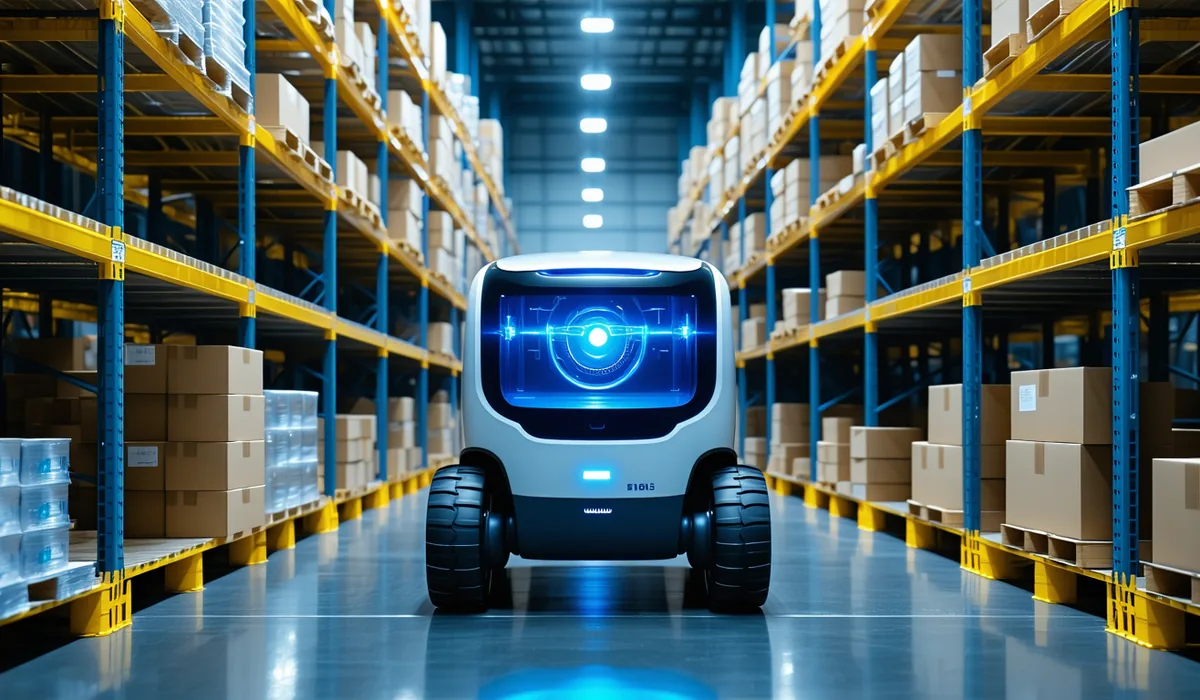
Indoor
Warehouse AMR
High-traffic mixed-human-robot environments. Static rack structure, highly dynamic pedestrian flow. Occupancy resolution matters more than absolute speed.
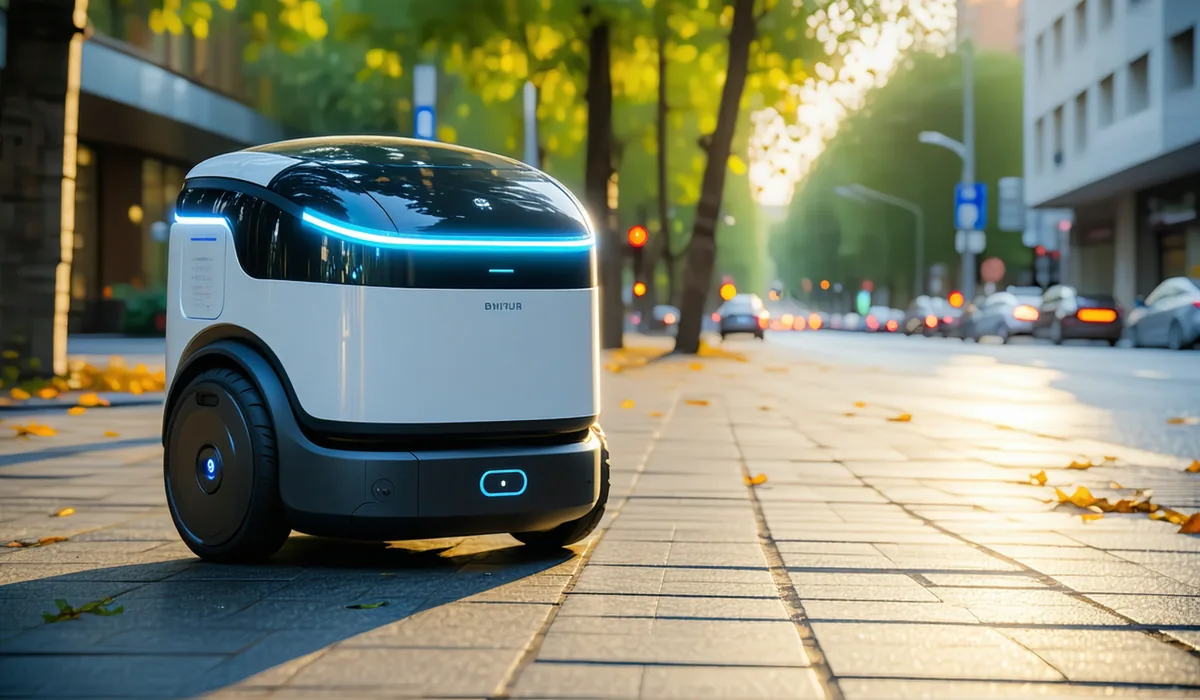
Urban Outdoor
Delivery Robots
Sidewalk and campus micro-delivery. Compact chassis, low sensor budget, variable lighting. Fusion quality-degraded modes are essential — you cannot stop when one sensor underperforms.
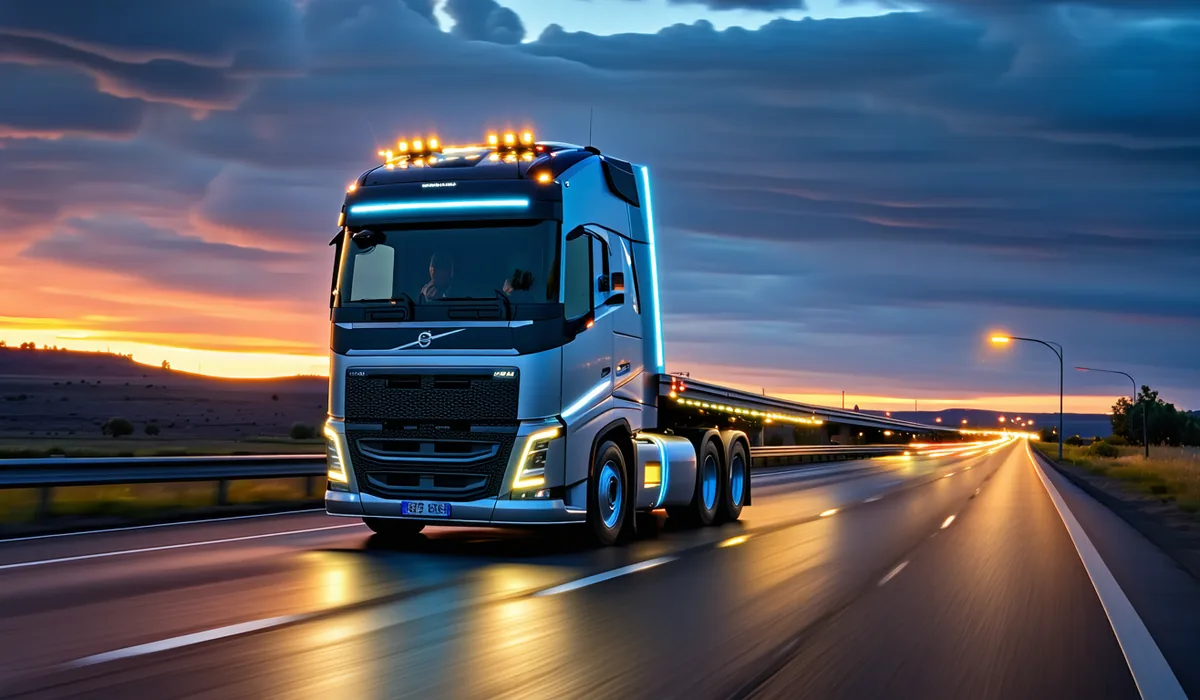
Outdoor / Yard
Autonomous Trucks
Yard automation, port logistics, and controlled-route freight. High chassis vibration, dust exposure, long-range obstacle detection at speed. Localization drift over multi-kilometer routes.
Comparison
Configuration by deployment type
| Parameter | Warehouse AMR | Delivery Robot | Autonomous Truck |
|---|---|---|---|
| Primary sensor | Mid-range LiDAR (16ch) | Short-range LiDAR (8ch) | Long-range LiDAR (64ch) |
| Fusion tier | Balanced | Low-power | Full |
| Occupancy resolution | 5–10cm | 10–15cm | 5cm (near), 20cm (far) |
| Pred horizon | 0.5–1.0s | 0.5–2.0s | 1.0–2.0s |
| Localization map | Static rack keyframes | Topo-metric HD | GNSS-aided lane map |
| Typical Jetson tier | Orin NX 16GB | Orin NX 16GB | AGX Orin 64GB |
Your use case might look like one of these
Request the SDK evaluation and configure PathVynt against your actual sensor rig.